Site Version License Plate Recognition and Parking Systems
One of the biggest challenges in residential and site parking areas is that vehicle entries and exits cannot be managed only with license plate recognition, but also with apartment-based rights, multi-vehicle control, parking capacity checks and real-time information logic.
Computer-Free, Apartment-Based and Capacity-Controlled Smart Residential Parking Management
Traditional license plate recognition systems usually require a computer, server, operator screen or central software to remain continuously active. Residential parking areas, however, need a more practical structure that can work quickly and reliably in the field.
AOS Site Version License Plate Recognition and Parking System automates license plate recognition, authorization, capacity control, LED display notifications and barrier management for sites, residences, apartment buildings, villa compounds and indoor parking entrances with a computer-free architecture.
The key difference is that the system does not only read the plate and open the barrier. It can also check which apartment the vehicle belongs to, how many vehicle rights that apartment has, whether another vehicle from the same apartment is already inside and whether the parking capacity is full.
What Is a Residential License Plate Recognition System?
A residential license plate recognition system automatically reads the plates of vehicles approaching a site or residence car park and decides whether the vehicle should be allowed to pass.
A standard LPR system usually works with a simple rule: if the plate is registered, the barrier opens; if it is not registered, the barrier remains closed. The site version works with a more advanced flow.
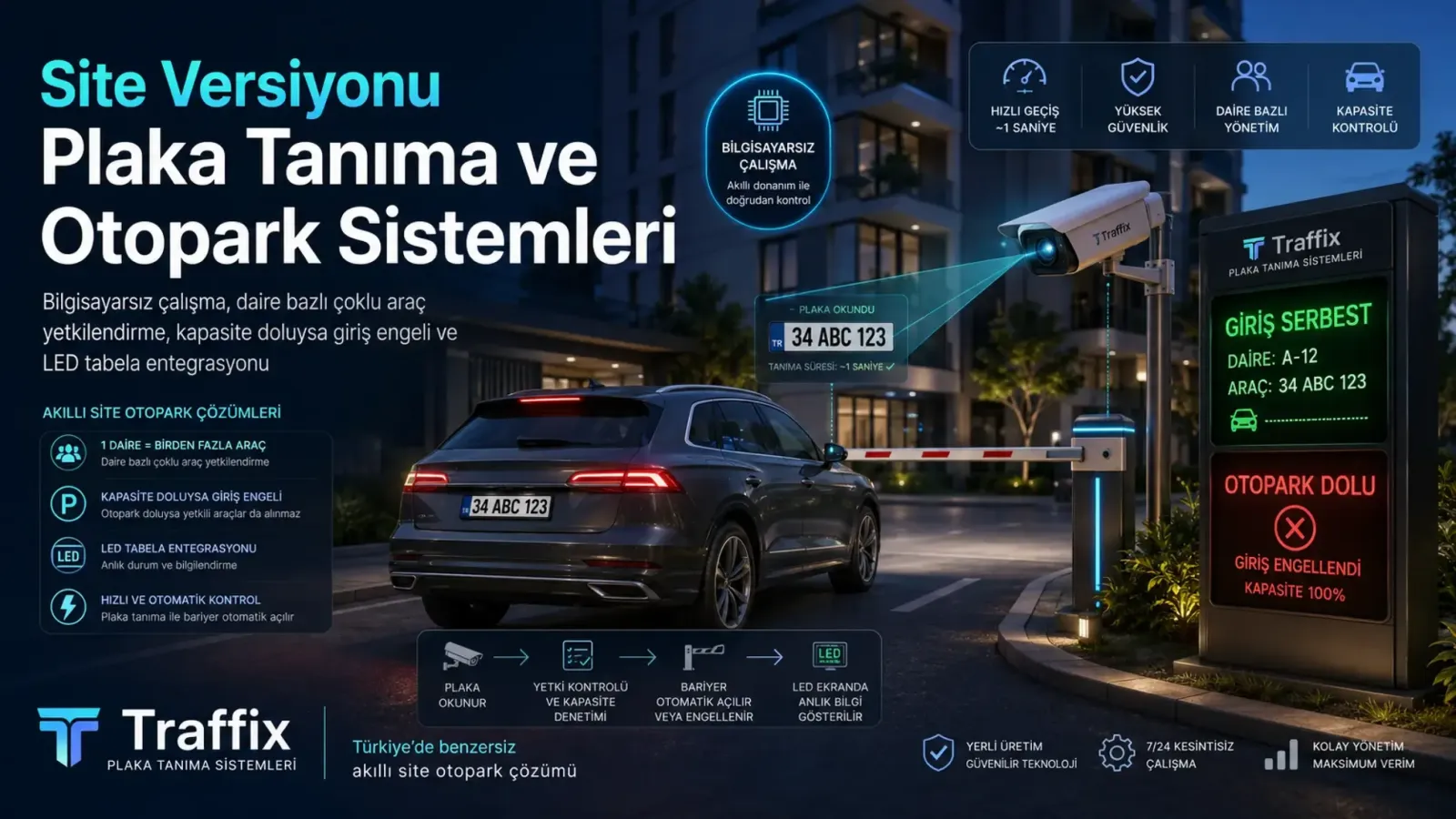
The plate is read, the apartment linked to the plate is checked, the vehicle right of that apartment is validated, the system verifies whether another vehicle from the same apartment is inside, the parking capacity is checked, the correct LED display message is sent and the barrier is opened or blocked.
For this reason, a site version LPR system is not just a camera system. It is a smart parking management infrastructure.
Computer-Free Site LPR System
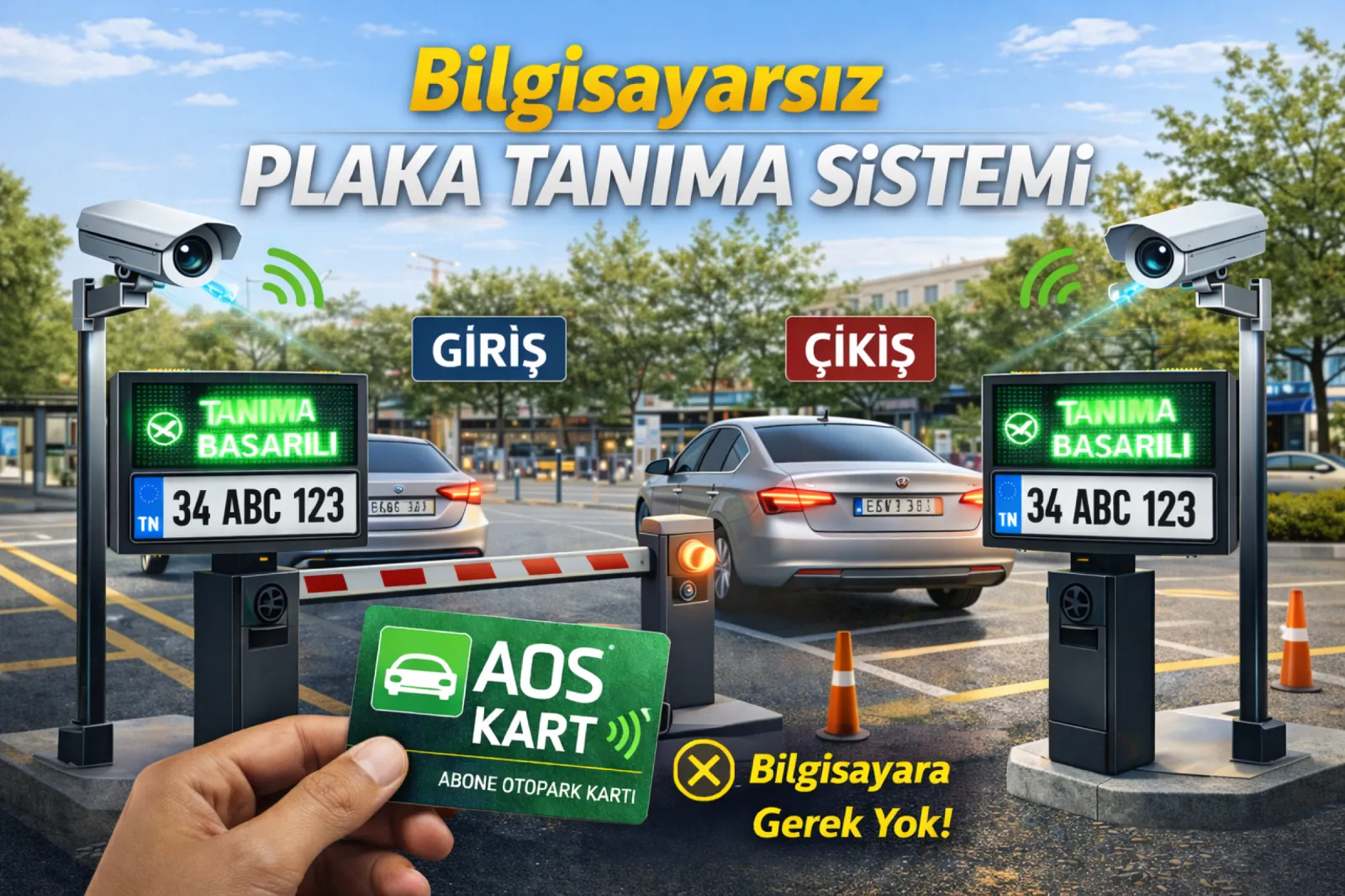
One of the strongest advantages of the AOS site version is that it can be designed to operate without a continuously running computer. The LPR camera, controller, barrier and LED display can work together automatically in the field.
This reduces the risk of interruptions caused by a closed computer, Windows errors, software freezes or an inactive operator screen. The computer-free architecture helps the system remain more stable at residential entrances.
Apartment-Based Smart Authorization
AOS site version LPR works with apartment-based authorization instead of only asking whether the plate is registered.
For example, apartment A-12 may have three different vehicles, while the management may allow only one vehicle from that apartment to stay inside at the same time. If the first vehicle is already inside, the second registered vehicle can be recognized but not automatically admitted.
The system checks which apartment the plate belongs to, how many active vehicle rights the apartment has, whether another vehicle from the same apartment is inside, whether the parking lot is available and whether entry should be allowed or blocked.
This structure helps manage the common problem of limited parking capacity and multiple vehicles per apartment in a controlled and fair way.
Managing Multiple Vehicles Belonging to One Apartment
One of the most frequent problems in residential parking is that several vehicles belonging to the same apartment occupy limited parking spaces. This may create unfair usage, especially in apartments and sites with restricted capacity.
AOS solves this with apartment-based multi-vehicle authorization. If apartment A-12 has three registered plates but only one active parking right, only one of those vehicles can remain inside at the same time.
When a second vehicle from the same apartment requests entry, the system recognizes the plate but does not open the barrier because the apartment right is already full. The LED display can show messages such as APARTMENT RIGHT FULL and ENTRY BLOCKED.
Capacity Control Even for Authorized Vehicles
Another important advantage is that the system can block even authorized vehicles when the parking capacity is full. In classic systems, a registered plate generally opens the barrier. This creates serious problems when there is no physical parking space left.
If the car park has a capacity of 100 vehicles and 100 vehicles are already inside, the 101st vehicle should not enter only because it is authorized. AOS checks the general capacity and prevents entry when the limit is reached.
The LED display can inform the driver with messages such as PARKING FULL, ENTRY BLOCKED and CAPACITY 100%. This reduces congestion, manual intervention and unnecessary vehicle movement inside the site.
LED Display Integration
At residential entrances, it is not enough for the barrier to open or remain closed. The driver should clearly understand why entry was approved or blocked.
AOS can display real-time messages such as ENTRY ALLOWED, WELCOME, APARTMENT: A-12, APARTMENT RIGHT FULL, PARKING FULL, UNREGISTERED PLATE or PLEASE CONTACT SECURITY.
This creates a clearer, more professional and more user-friendly access process for drivers, security personnel and site management.
Smart Scenarios for Site Management
Scenario 1: Registered Vehicle Entry
The vehicle approaches the gate, the plate is read, authorization is checked and the barrier opens if the apartment right is available. The LED display shows an entry approval message.
Scenario 2: Second Vehicle from the Same Apartment
If another vehicle from the same apartment is already inside, the system recognizes the plate but blocks entry because the apartment right is full.
Scenario 3: Parking Capacity Full
The vehicle may be authorized and the apartment right may be valid, but if the total capacity is full, the system does not allow entry.
Scenario 4: Unregistered Plate
If the plate is not registered, the barrier remains closed and the LED display can direct the driver to security.
Scenario 5: Guest Vehicle Entry
Site management can define temporary rights for guest vehicles. When the allowed time or entry right expires, the system automatically blocks further entry.
Why a Classic LPR System Is Not Enough
Classic LPR systems generally check only whether a plate exists in the database. Residential parking needs more than that. Management must know how many rights each apartment has, how many vehicles from the same apartment are inside, whether the capacity is full and how drivers will be informed when entry is blocked.
AOS Site Version License Plate Recognition System answers these operational questions with a field-ready solution.
A Comprehensive Solution for Residential Parking in Turkey
AOS combines computer-free operation, apartment-based multi-vehicle control, capacity management and LED display integration in a dedicated residential parking solution.
It is not only a plate reading system. It is a smart access and capacity management infrastructure designed to solve real parking problems in sites, residences and apartment complexes.
Where Is It Used?
The system is suitable for residential site parking areas, residence car parks, apartment parking lots, villa compounds, housing projects, indoor and outdoor parking areas, secured living spaces, unmanned entrances, multi-block projects and sites with apartment-based parking rights.
Advantages for Management, Security and Residents
For management, it increases fairness, automates barrier control, prevents excessive vehicle usage by one apartment and keeps capacity under control. For security personnel, it reduces manual checks and provides clear system decisions. For residents, it provides faster access, less need for cards or remote controls and a more transparent parking experience.
Technical Advantages of Computer-Free Operation
The architecture reduces the need for a continuously running computer, lowers the risk of operating system problems, can reduce energy consumption, requires less maintenance and offers direct integration between camera, barrier and LED display.
This makes the system especially valuable for entrances that must operate reliably for long periods with minimum intervention.
PUBLISHED BY
AOS Editor
Prepared by Smart Parking System knowledge center editors to share the most up-to-date developments in the sector.
Internal Links
Quick Links Related to the Topic
Related Solutions
Solutions most related to this topic
Solution
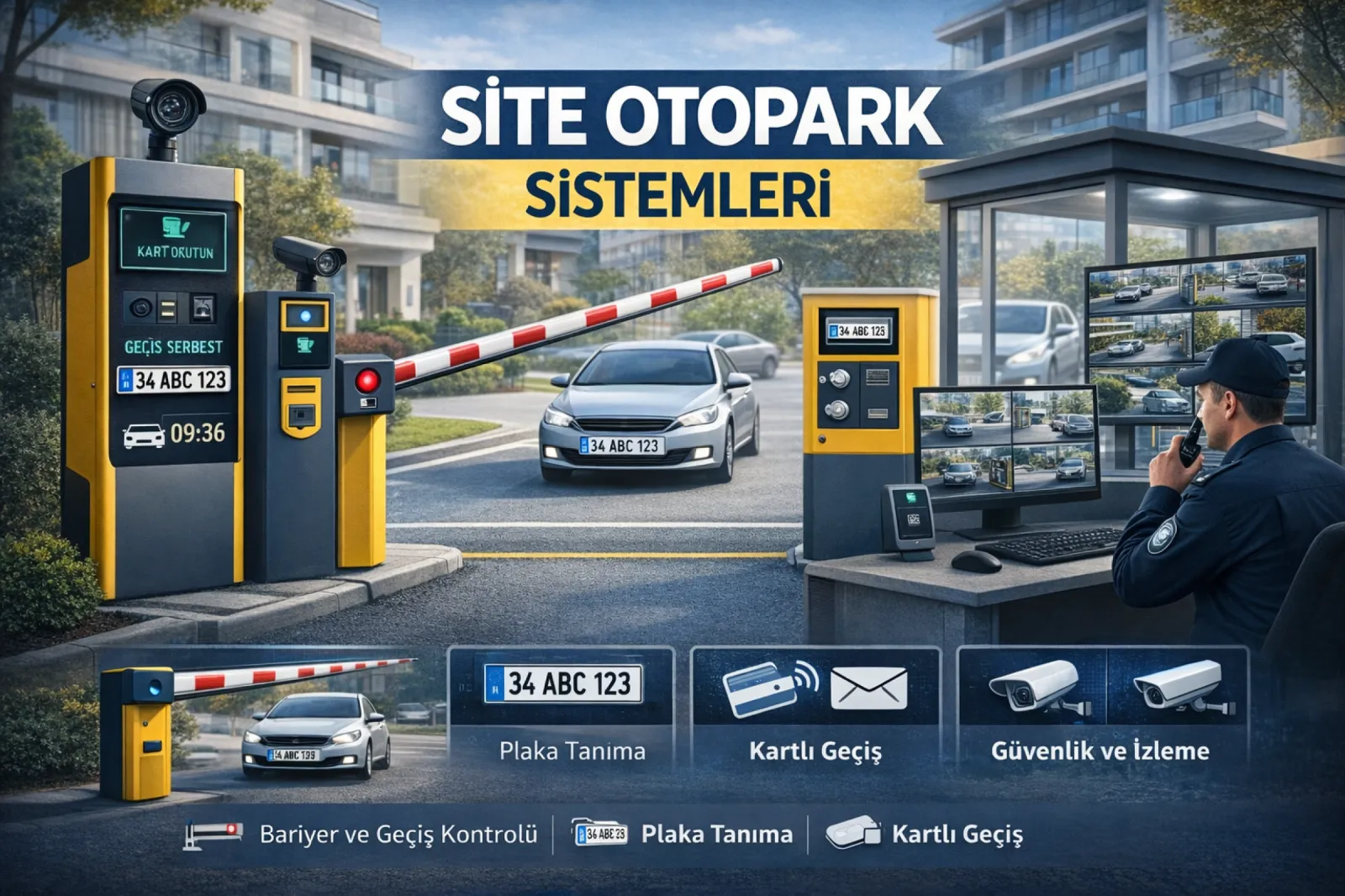
Residential Parking Management
Residential parking systems are professional access control solutions used in apartments, housing complexes, r...
Solution
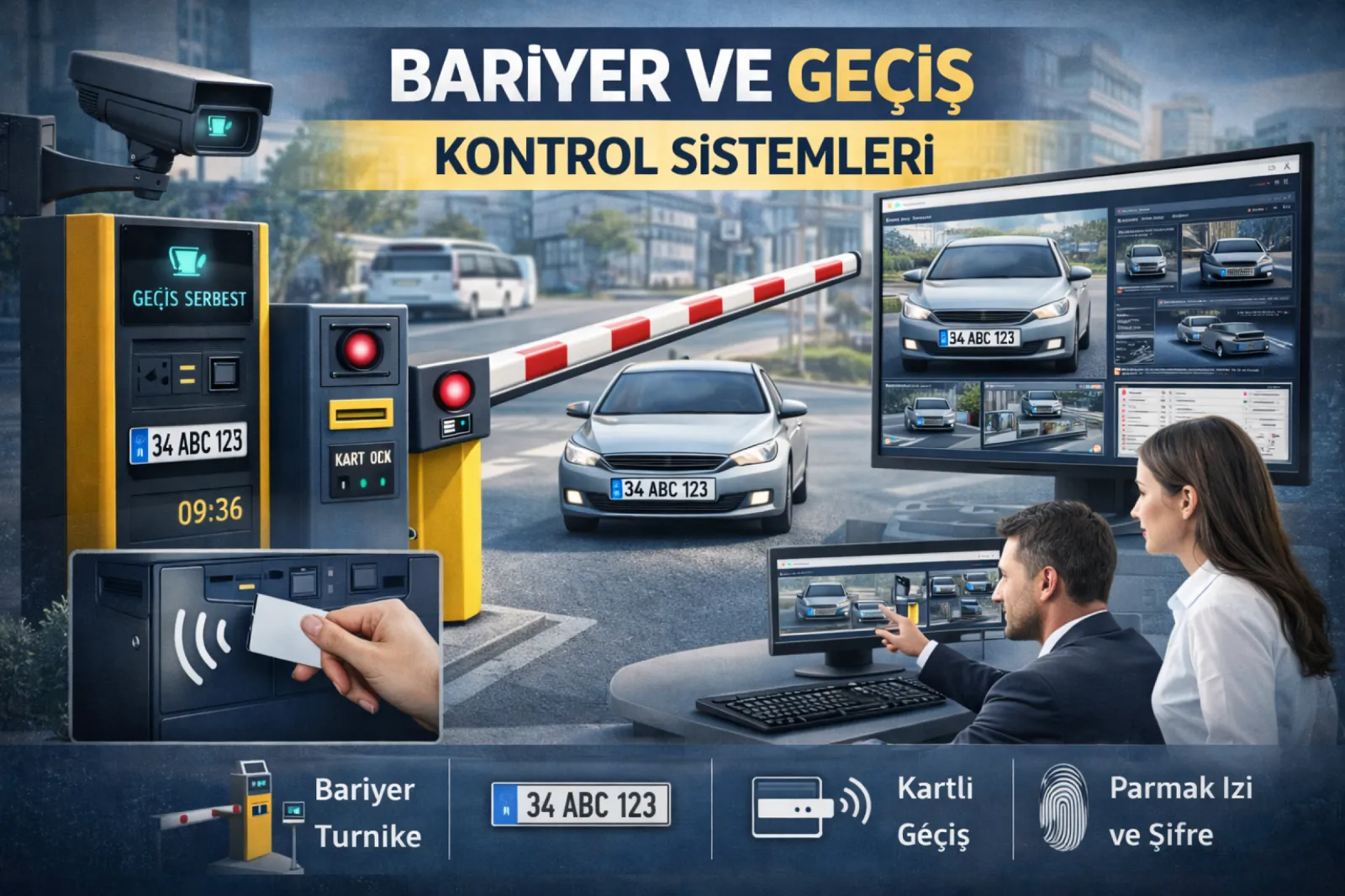
Barrier and Access Control Systems
In today's world, security, speed, and control are inseparable. Managing vehicle and pedestrian movement syste...
Solution
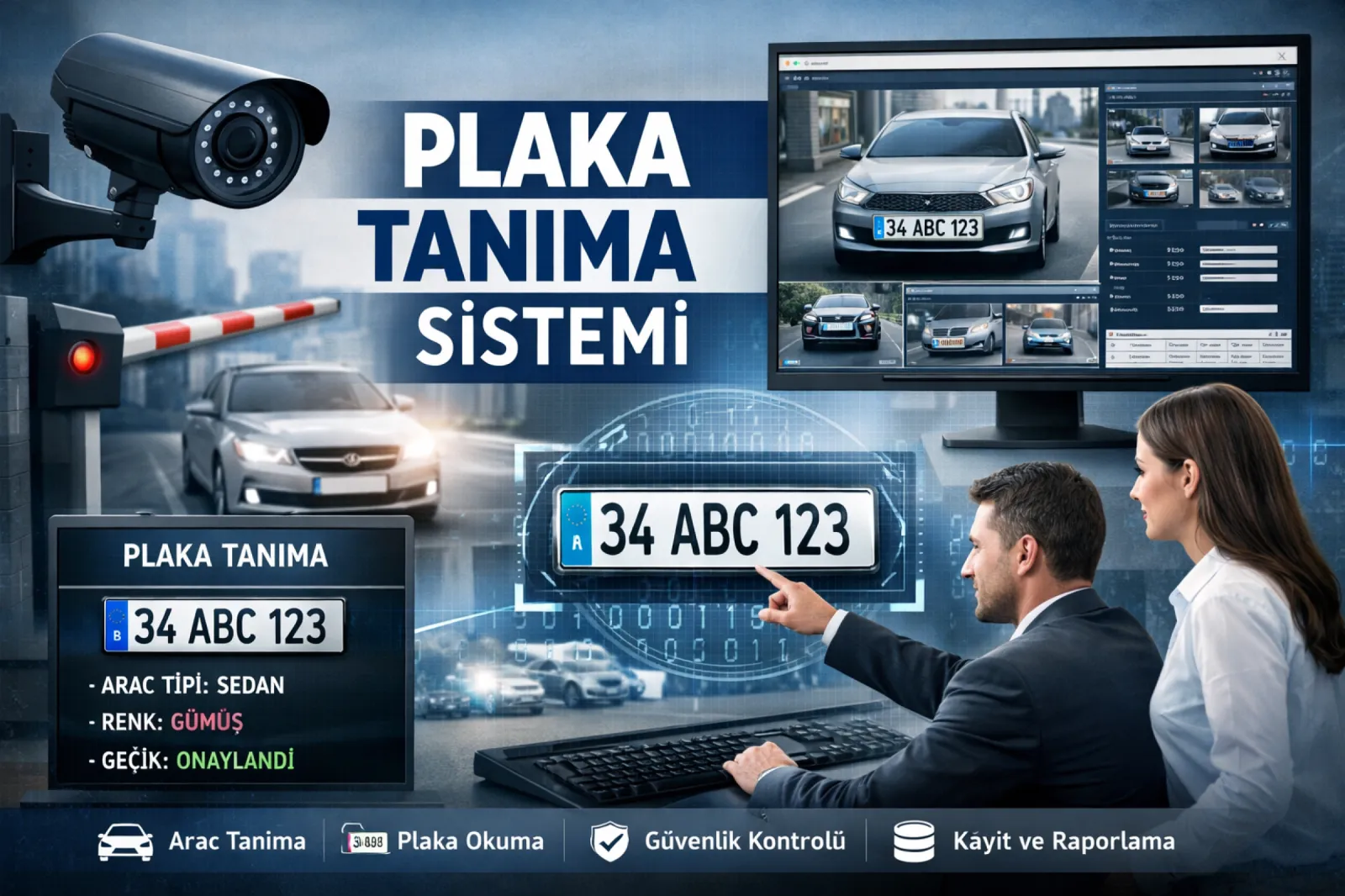
License Plate Recognition Systems
License Plate Recognition Systems are modern access control technologies that ensure the secure, fast, and rec...
Related Products
Products directly related to this topic
Product
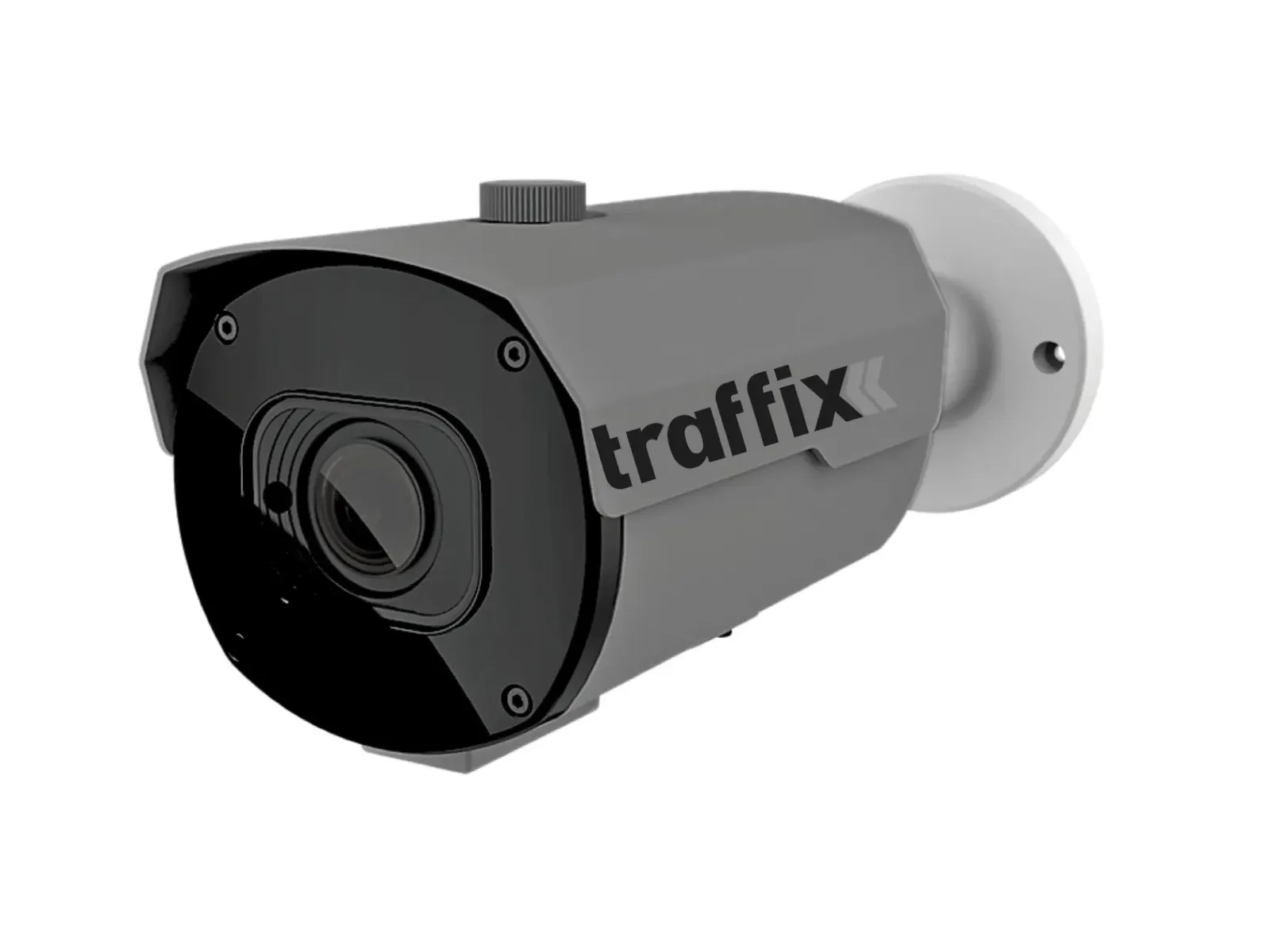
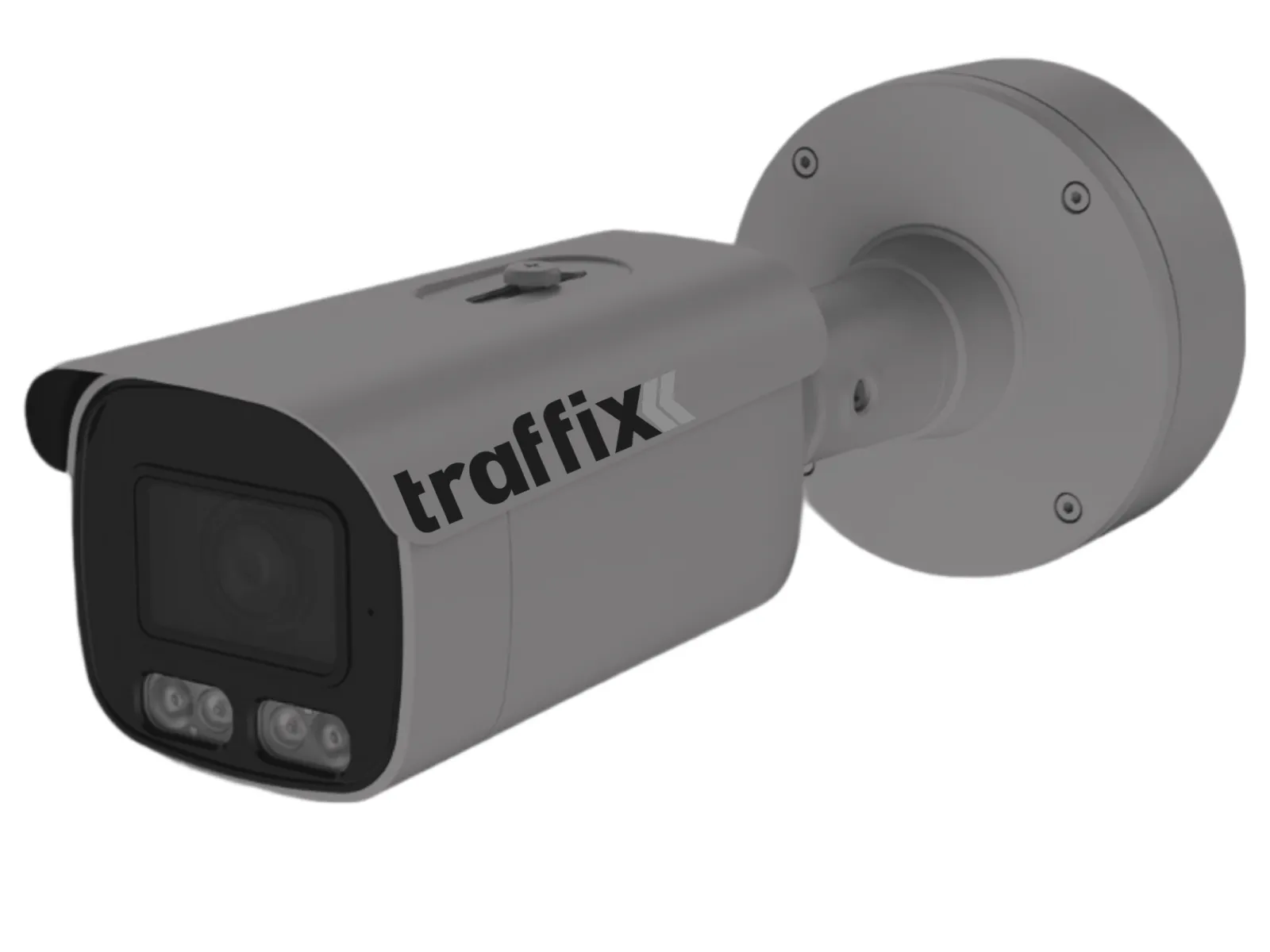
AI-Powered Smart Parking License Plate Recognition Camera
License Plate Recognition Systems
Product
AI-Powered Smart Highway License Plate Recognition Camera
License Plate Recognition Systems
Product
10/100 Mbps 5-Port Switch (Unmanaged Switch)
License Plate Recognition Systems
Related References
Projects showing this topic in the field
Reference
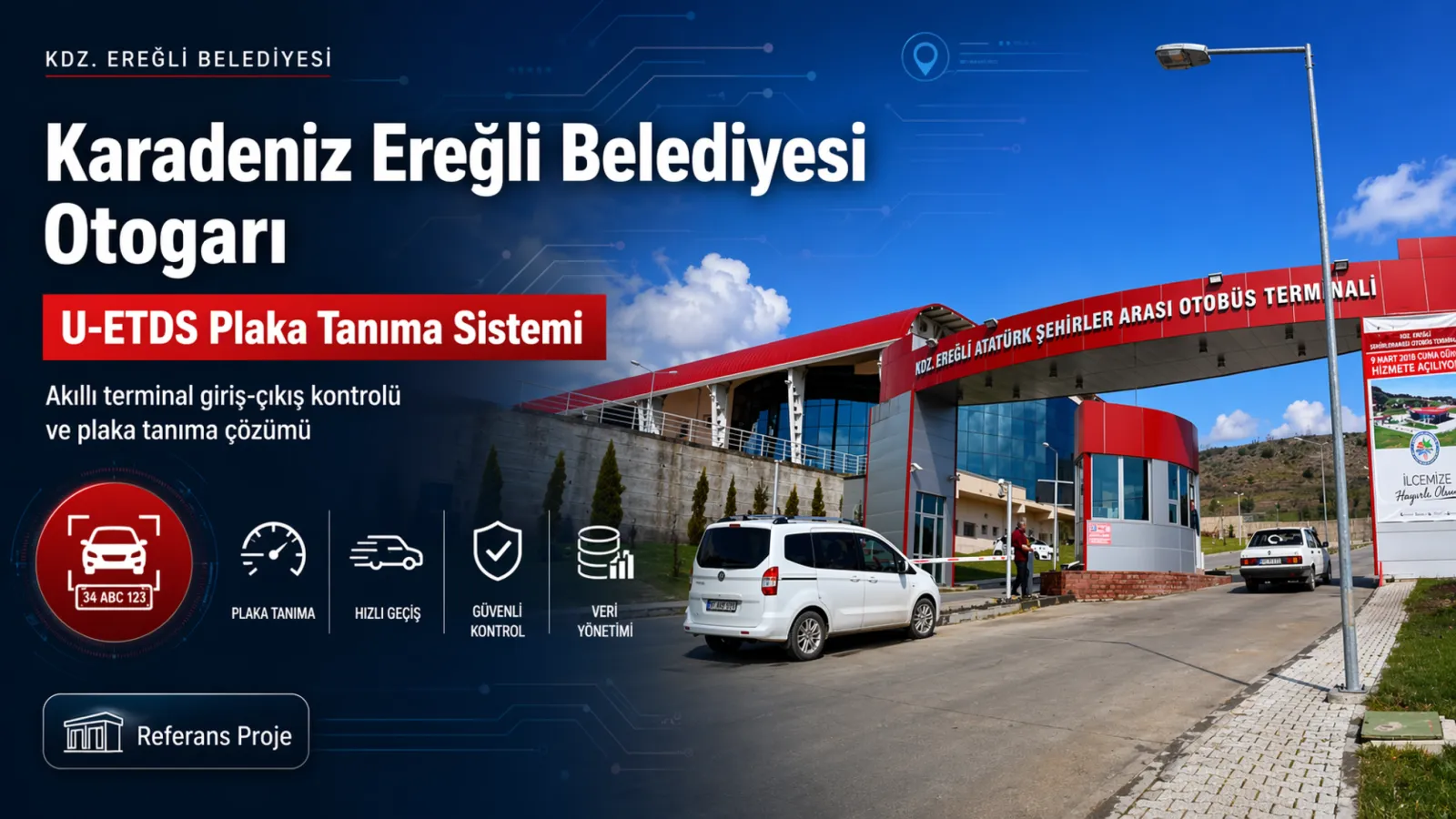
Karadeniz Ereğli Municipality Bus Terminal License Plate Recognition System
ZONGULDAK
Reference
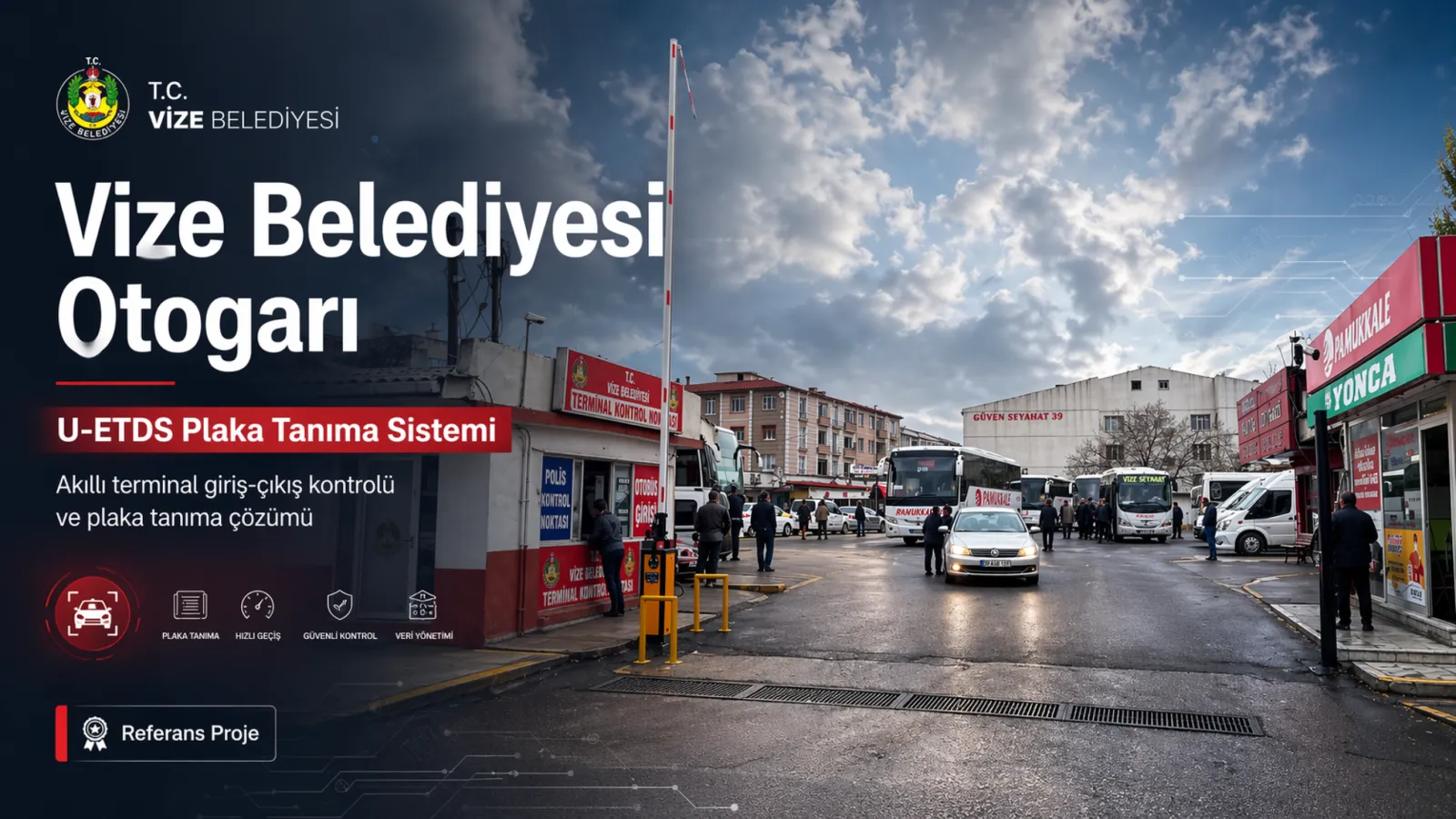
Kırklareli Vize Bus Terminal U-ETDS License Plate Recognition System
KIRKLARELİ

Reference
Bitlis Bus Terminal U-ETDS and Paid License Plate Recognition Parking System
BITLIS