What is a Computerless License Plate Recognition System? What are its Advantages?
With the advancement of technology, vehicle access control systems have become more practical, compact, and capable of operating with lower operational requirements.
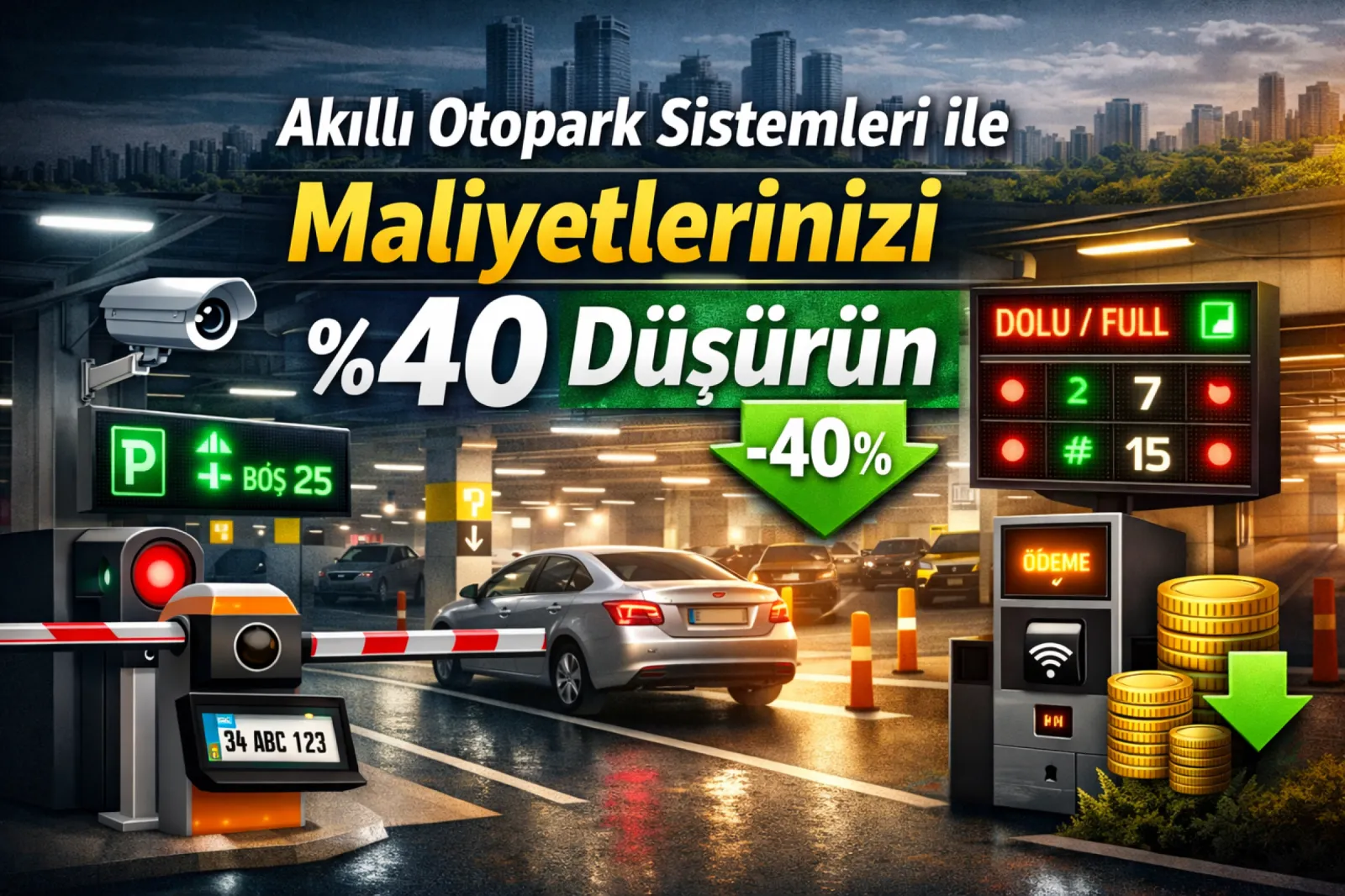
Especially in residential parking lots, apartment entrances, small and medium-sized enterprises, private properties, warehouse areas, factory entrances, and many points requiring controlled access, computerless license plate recognition system solutions are attracting great interest.
While traditional license plate recognition systems often require a separate computer, software infrastructure, and operator support, new-generation computerless systems allow the entire process to be managed directly through a smart camera or an integrated control unit. This both reduces installation costs and provides ease of use.
Among the modern solutions developed in this field, AOS - Smart Parking System offers a system approach that stands out with its practical use, remote management, secure passage, and smart control structure.
What is a Computerless License Plate Recognition System?
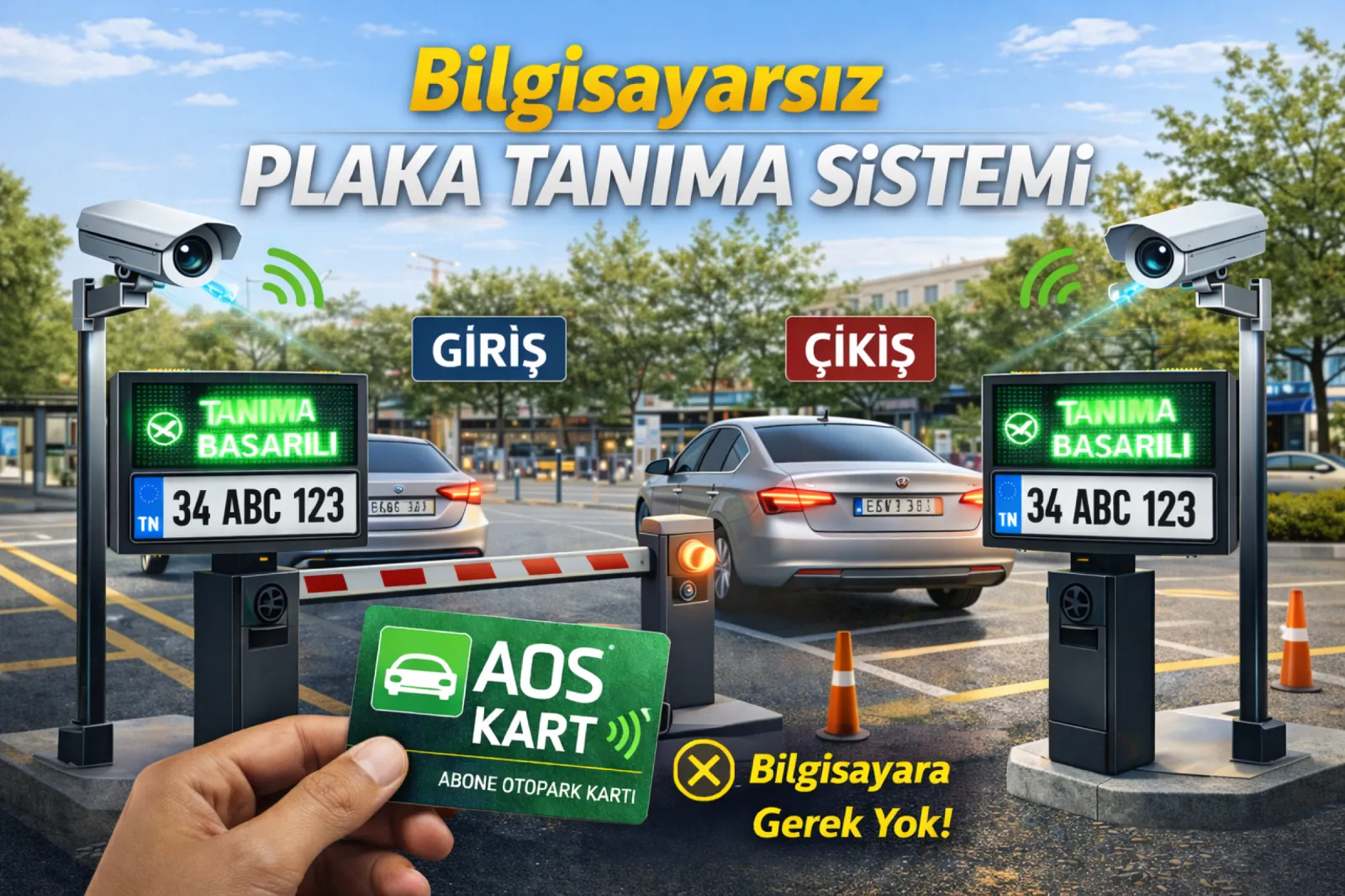
A computerless license plate recognition system is a solution that can read, analyze, and take automatic actions based on defined scenarios without the need for an external computer.
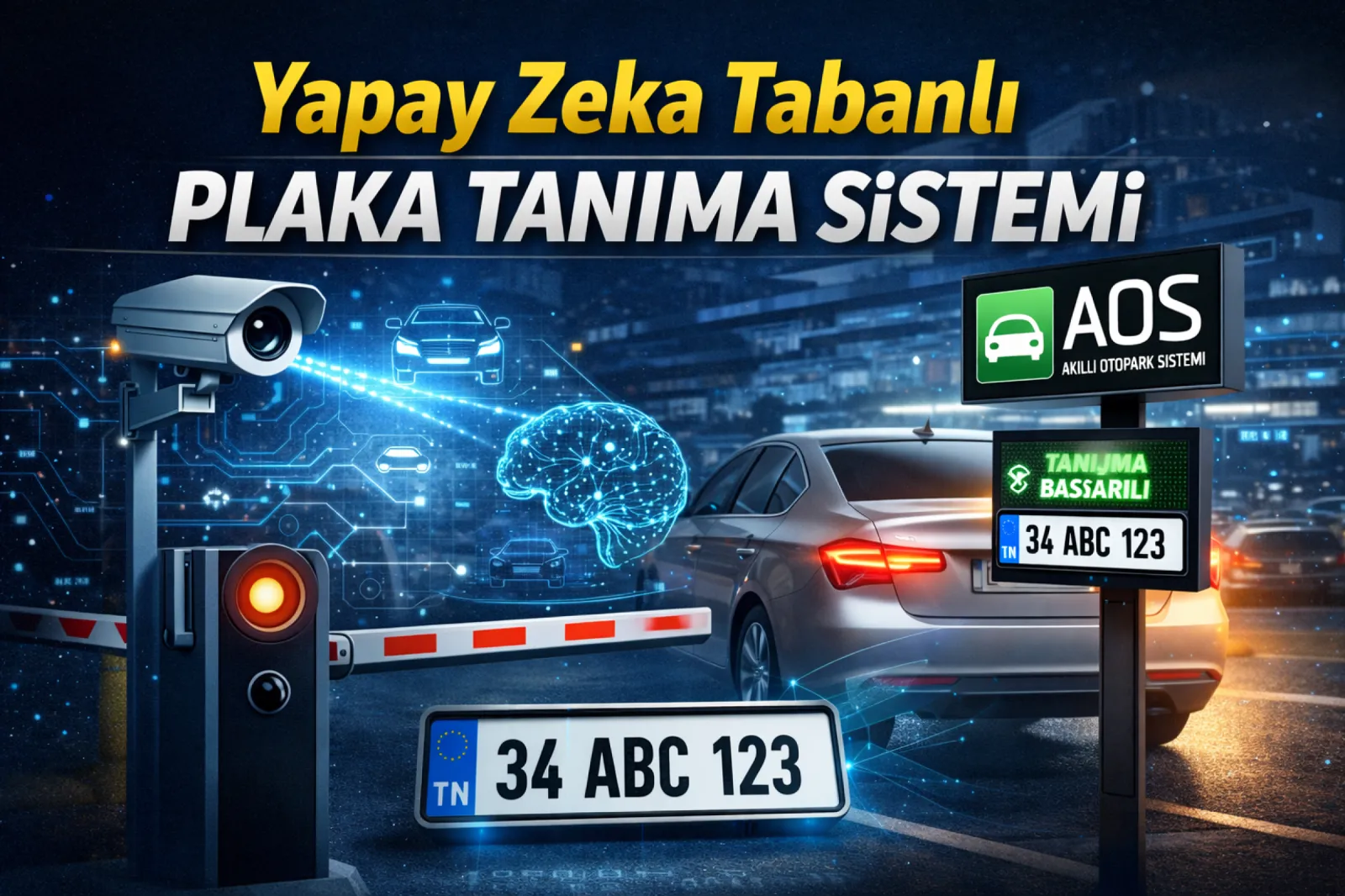
In these systems, the plate reading process is usually carried out via smart ANPR/LPR cameras with embedded software. The camera detects the vehicle, processes the plate image, identifies the plate, and can directly perform actions such as opening the barrier, creating a record, giving a warning, or sending data according to the authorization status.
In other words, it is not necessary to use a separate desktop computer that remains constantly open for the system to operate. This provides a significant advantage, especially for projects that require a simpler and more durable infrastructure.
How Does a Computerless License Plate Recognition System Work?
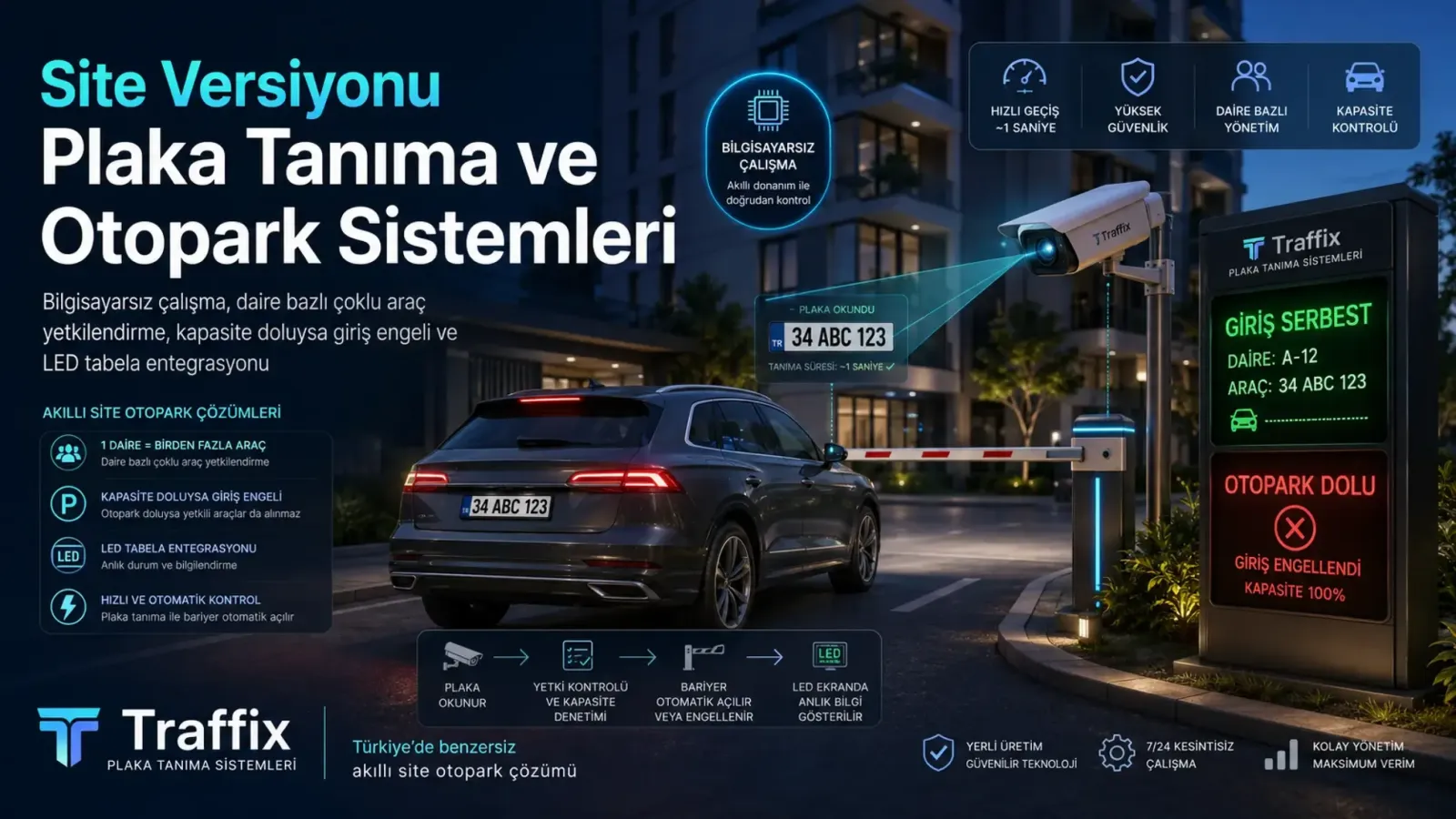
The basic working structure of the system is quite practical. The general process works as follows:
Vehicle Detection
The camera detects movement or the vehicle as it approaches the entry point.
Plate Reading
The smart camera identifies the plate area on the image and converts the plate into digital data by parsing the characters.
Authorization Control
The read plate is compared with the list of registered vehicles in the system. If the vehicle is registered, passage permission can be granted. Different scenarios can be applied for unauthorized vehicles.
Automatic Command
After the plate is verified, the barrier is opened, the door is triggered, a relay output is given, or a passage record is kept.
Recording and Management
Many computerless license plate recognition systems can be managed via a web interface, mobile access, or network connection. Thus, user lists can be defined remotely, records can be viewed, and passages can be controlled.
Biggest Advantages of Computerless License Plate Recognition Systems
Lower Installation Cost
The reduced requirement for an external computer, additional software licenses, and computer infrastructure lowers the total system cost. This advantage becomes even more pronounced in areas with a single entry and single exit.
Less Hardware, Lower Risk of Failure
As the number of devices used in the system decreases, the probability of failure also decreases. The absence of components such as computers, monitors, keyboards, UPS, and additional connection points provides a simpler installation.
Easy Installation and Fast Commissioning
Computerless systems are generally installed faster. Once the camera, barrier, and network connection are correctly configured, the system can be activated in a short time.
Compact and Organized Structure
It provides a great advantage, especially in projects without a security booth or with limited technical space. It does not require extra computer cabinets, desktop space, or additional hardware.
Low Energy Consumption
They can consume less energy compared to computer-based systems. Since there is no separate PC running continuously, electricity costs are more controlled.
Remote Management Capability
Since many modern systems offer network access support, users can manage plate identification, record checking, and basic settings remotely.
Ideal Solution for Sites and Small Businesses
It is a very efficient solution, especially for projects with limited vehicle traffic that require controlled passage.
In Which Areas is it Preferred?
Computerless license plate recognition systems are preferred especially in areas where a simple but effective access control system is desired. The most common usage areas are:
- Residential and apartment parking lots
- Villa entrances
- Residence vehicle access points
- Small business parking lots
- Factory and warehouse entrances
- Personnel vehicle entry areas
- Private property access points
- Cooperatives and collective living areas
- Controlled indoor and outdoor parking entrances
In such areas, the main purpose of the system is to control vehicle passages quickly, securely, and without human intervention.
Computerless License Plate Recognition Solutions with AOS - Smart Parking System
AOS - Smart Parking System draws attention with its modern solution approach aiming to make parking technologies more practical, efficient, and applicable. Computerless license plate recognition solutions are one of the important parts of this approach.
Within the scope of AOS - Smart Parking System, the computerless license plate recognition infrastructure can be evaluated with the following elements:
- Smart license plate recognition camera
- Barrier integration
- Relay and passage trigger infrastructure
- Subscriber vehicle list definition
- White list / black list management
- Visitor vehicle control scenarios
- Remote management over the network
- Viewing passage logs
- Simple control structure suitable for site and facility management
Thanks to this integrated structure, users can have an effective vehicle access control infrastructure without installing high-cost and complex systems.
Computerless System or Computer-Based System?
The answer to this question depends entirely on the size and expectations of the project.
A computerless license plate recognition system is more suitable for the following projects:
- Areas with single-point or limited entry-exit structures
- Usage scenarios weighted towards subscriber vehicles
- Low and medium-density vehicle traffic
- Need for a more economical solution
- Expectation of simple management
- Projects with limited technical infrastructure space
Computer-based systems are preferred in the following cases:
- If there are many entry-exit points
- If central software management is required
- If advanced reporting is desired
- If a paid parking business is to be managed
- If multiple devices and facilities are to be controlled from a single center
Therefore, when choosing the right system, it is necessary to focus not only on technology but also on the usage scenario.
What Should be Considered in a Computerless License Plate Recognition System?
Not every computerless system offers the same performance. Therefore, the following issues should be considered when choosing products and projects:
- The camera's real plate reading success
- Day and night performance
- Compatibility with the barrier
- Ease of management over the network
- User identification capacity
- Structure for storing passage records
- Resistance to weather conditions
- Technical service and support quality
- Suitability for expansion
Especially for systems to be used outdoors, camera protection, light balance, and mounting angle are also of great importance.
Benefits Provided to Businesses and Users
Computerless license plate recognition systems are not only a practical solution but also make daily life easier. The main benefits it provides are:
- Reduces the need to carry a remote control
- Eliminates card access problems
- Reduces waiting at vehicle entrances
- Increases the security level
- Limits unauthorized passages
- Facilitates management
- Creates a more professional facility perception
- Provides long-term advantages with low maintenance needs
Especially for site managements, these systems both increase resident satisfaction and strengthen operational control.
Computerless license plate recognition system is a modern solution offering simple installation, low hardware requirements, ease of use, and secure vehicle access control. It is an extremely suitable technology especially for residential parking lots, residences, small businesses, and controlled entry-exit points.
AOS - Smart Parking System aims to make computerless license plate recognition technology more accessible, efficient, and professional with its solution approach in this field. This system structure, which eliminates the need for an external computer, both reduces installation costs and offers the user a more practical operating experience.
For those looking for more compact, smarter, and more economical solutions in the access control systems of the future, computerless license plate recognition systems continue to be a strong alternative.
PUBLISHED BY
AOS Editor
Prepared by Smart Parking System knowledge center editors to share the most up-to-date developments in the sector.
Internal Links
Quick Links Related to the Topic
Related Solutions
Solutions most related to this topic
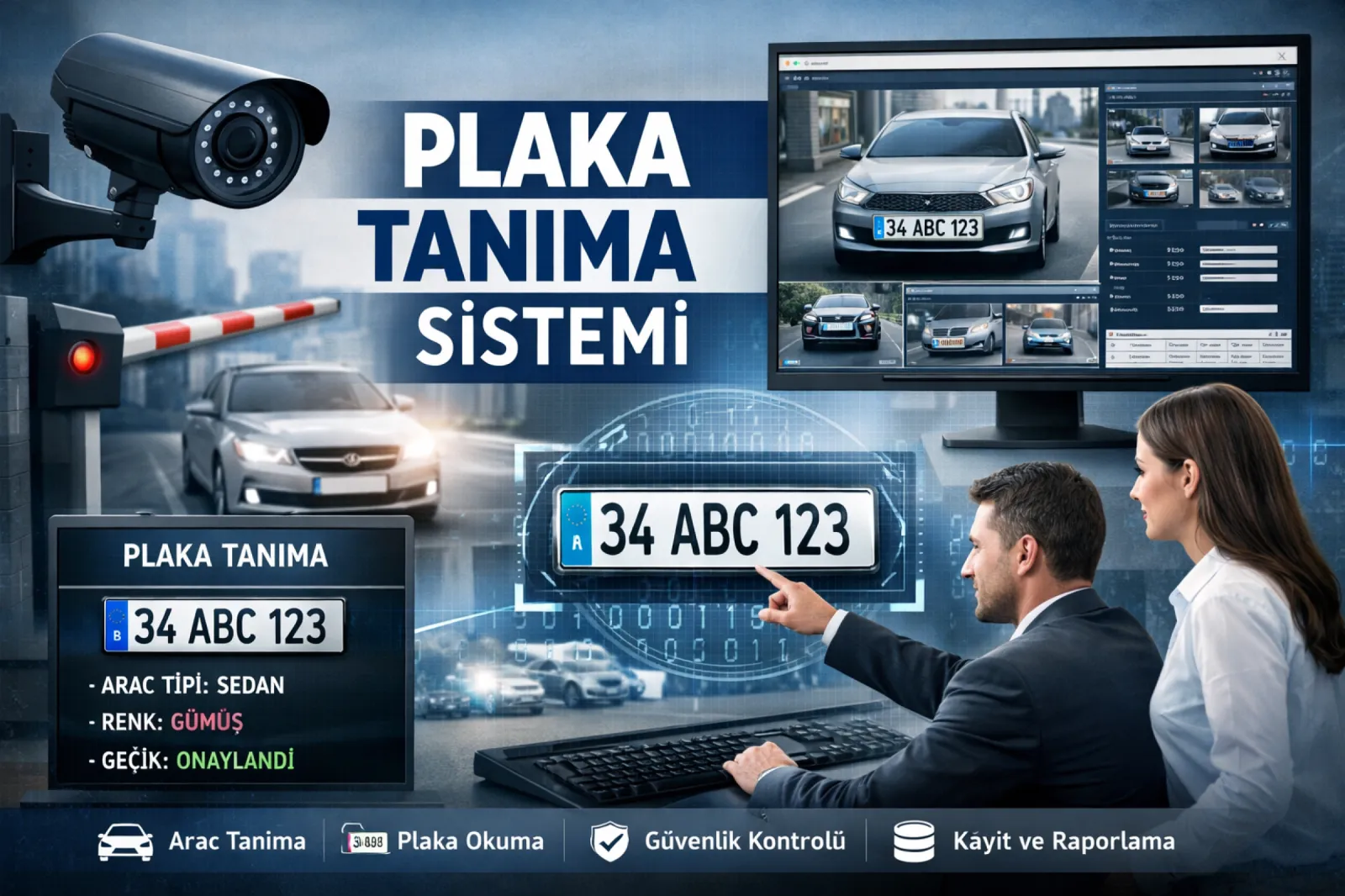
Solution
License Plate Recognition Systems
License Plate Recognition Systems are modern access control technologies that ensure the secure, fast, and rec...
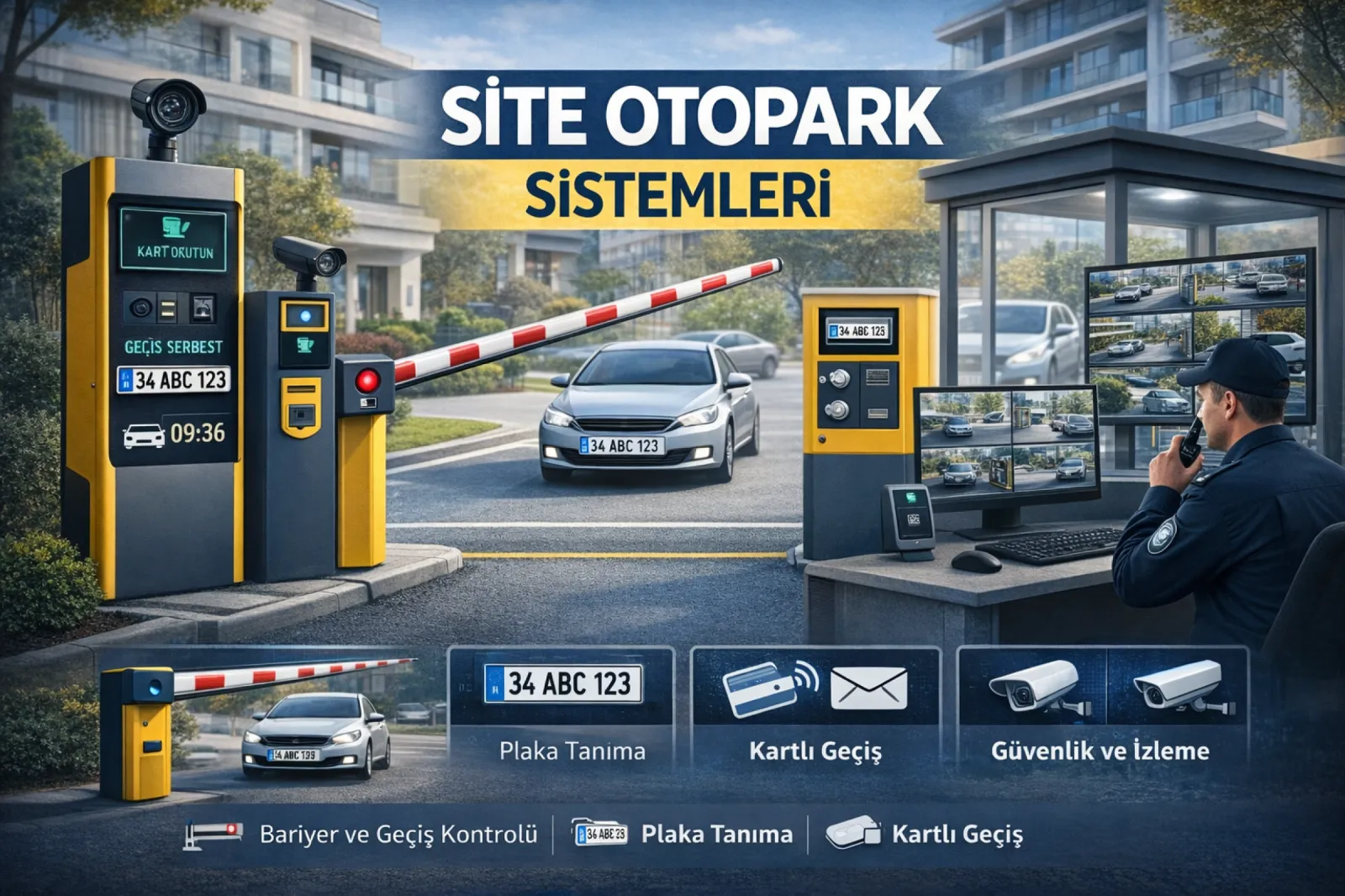
Solution
Residential Parking Management
Residential parking systems are professional access control solutions used in apartments, housing complexes, r...
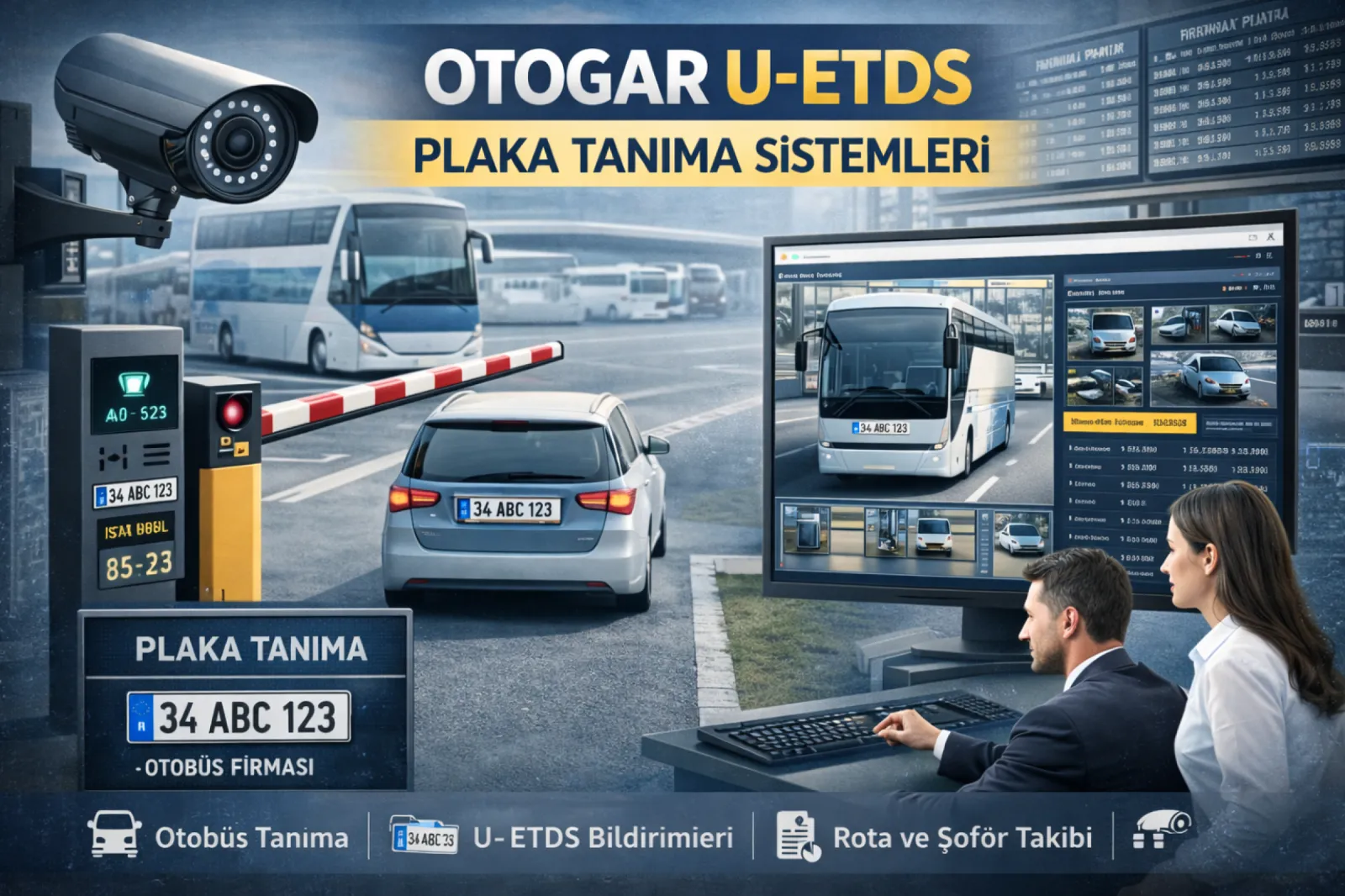
Solution
Bus Terminal / U-ETDS
Bus terminals and passenger terminals are critical areas where high vehicle traffic, time sensitivity, and reg...
Related Products
Products directly related to this topic
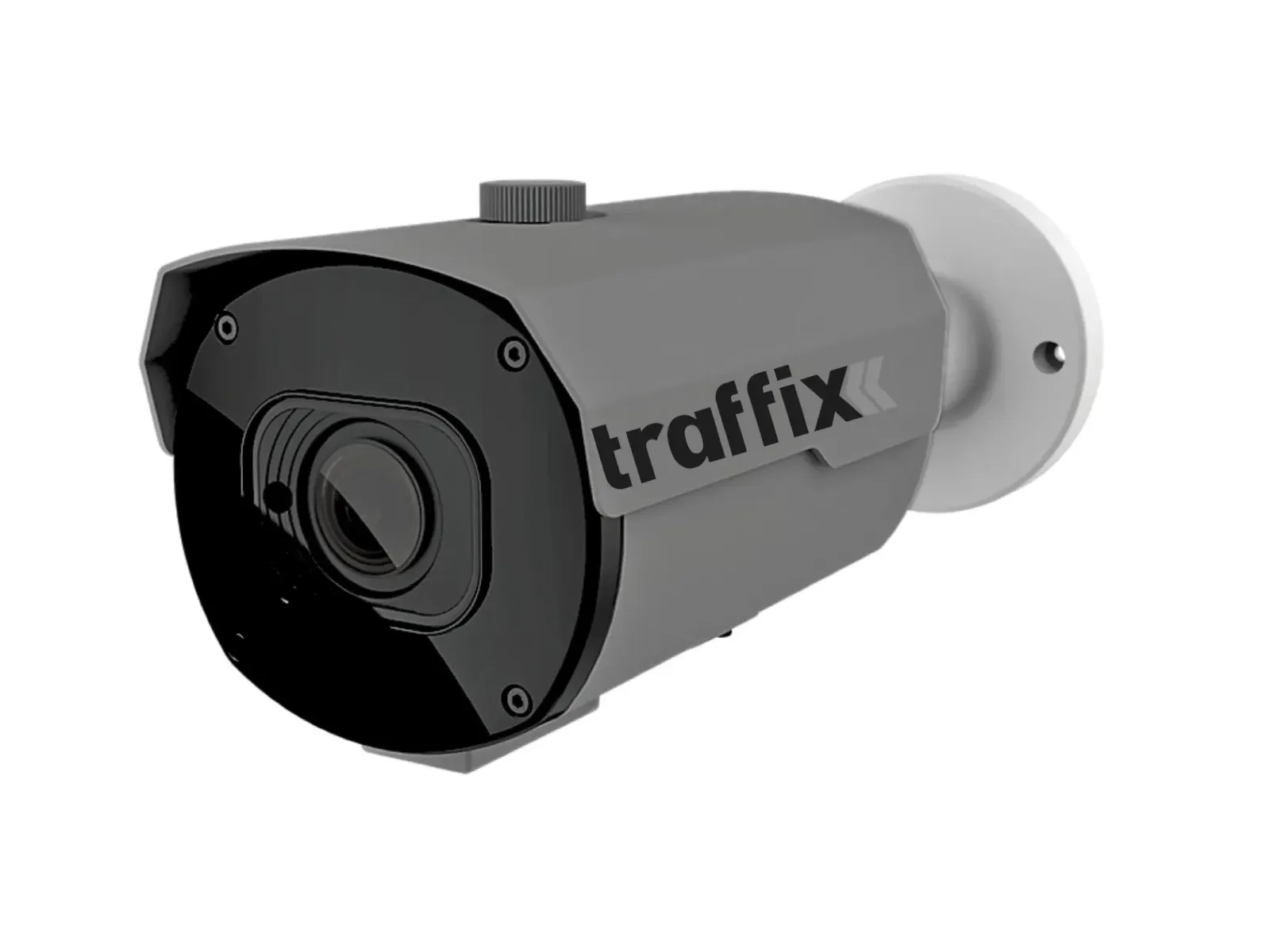
Product
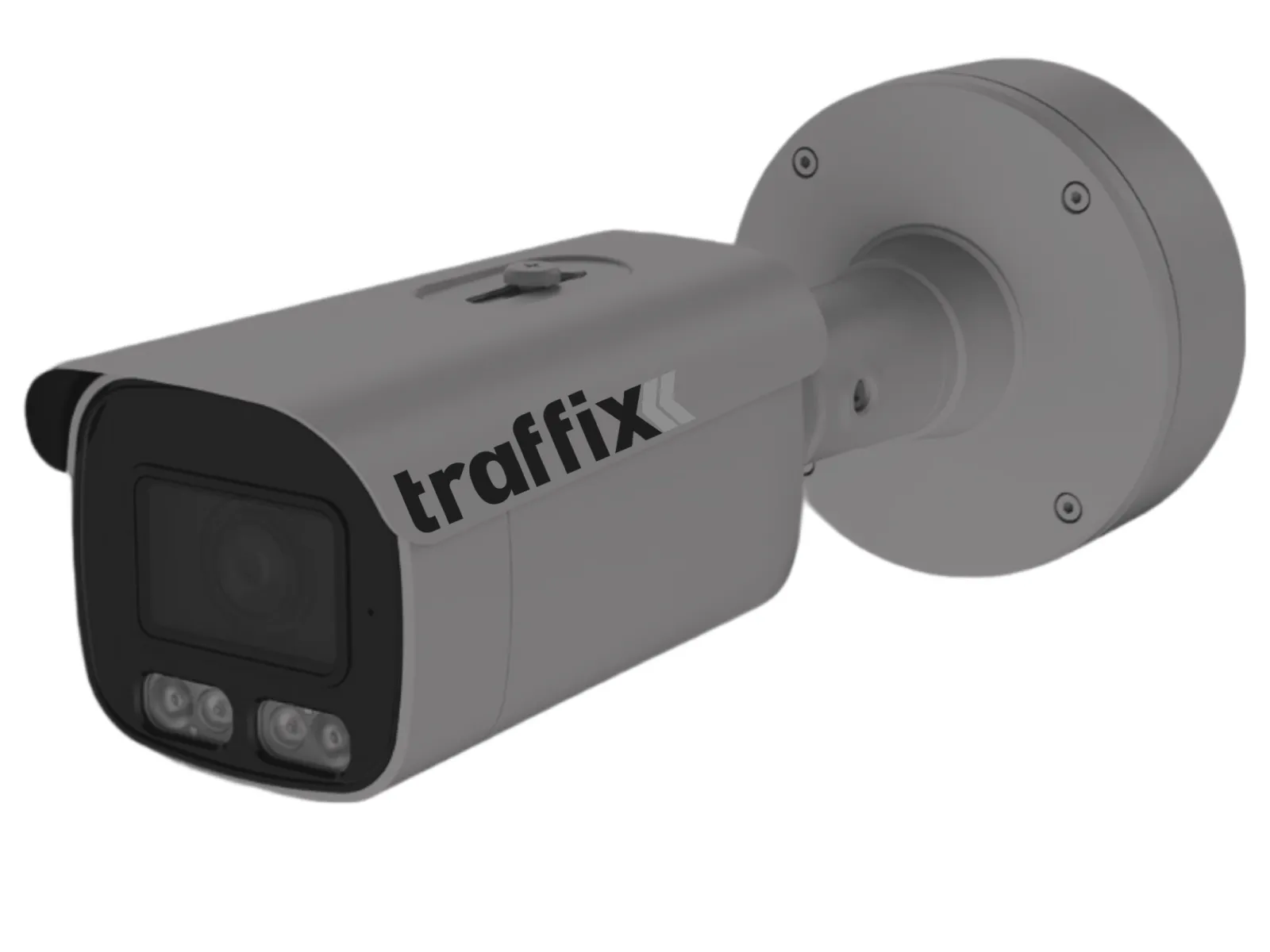
AI-Powered Smart Parking License Plate Recognition Camera
License Plate Recognition Systems
Product
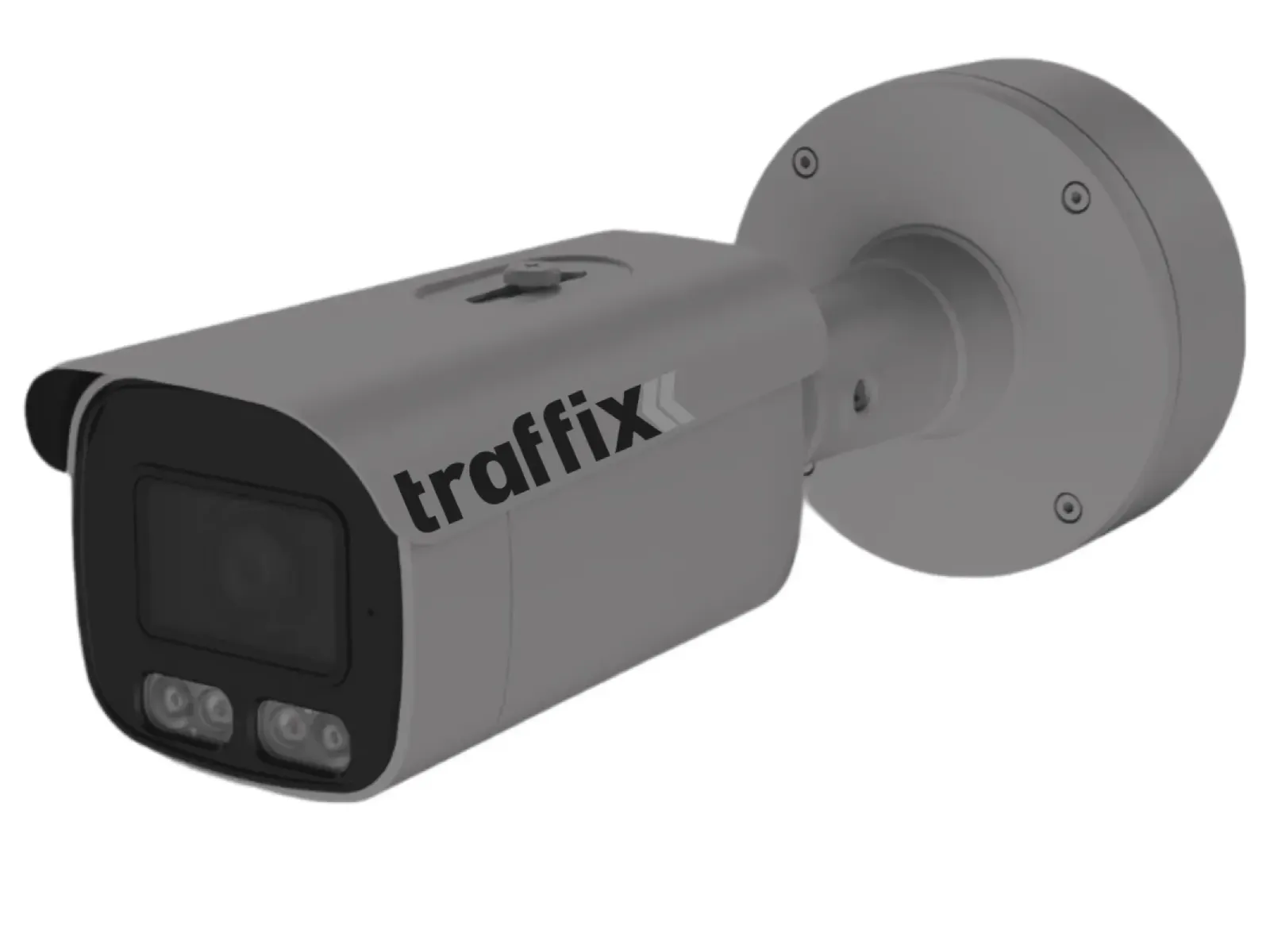
AI-Powered Smart Highway License Plate Recognition Camera
License Plate Recognition Systems
Product
AOS TR-1668 License Plate Recognition System (AI-Powered Camera)
License Plate Recognition Systems
Related References
Projects showing this topic in the field
Reference
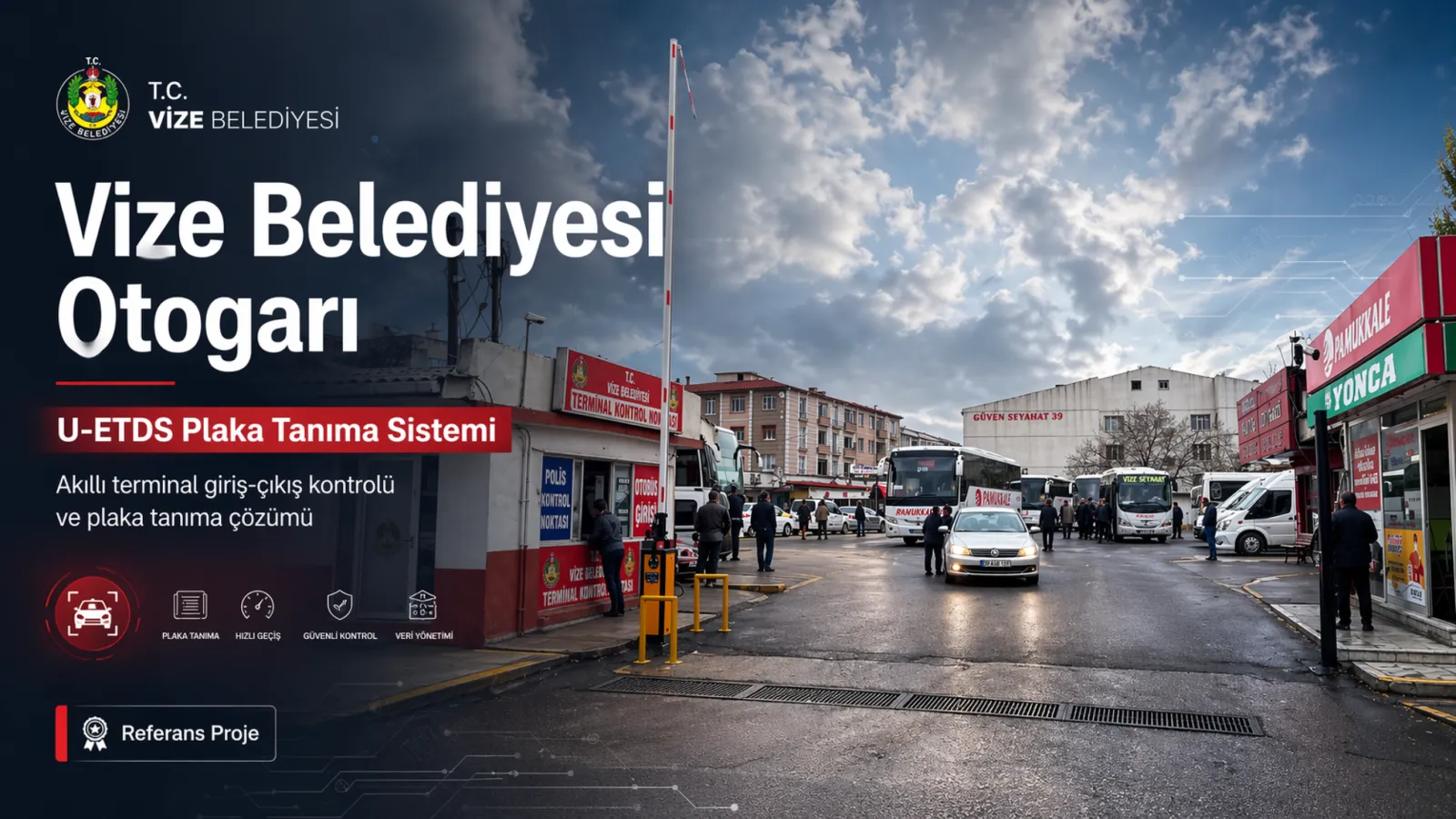
Kırklareli Vize Bus Terminal U-ETDS License Plate Recognition System
KIRKLARELİ
Reference
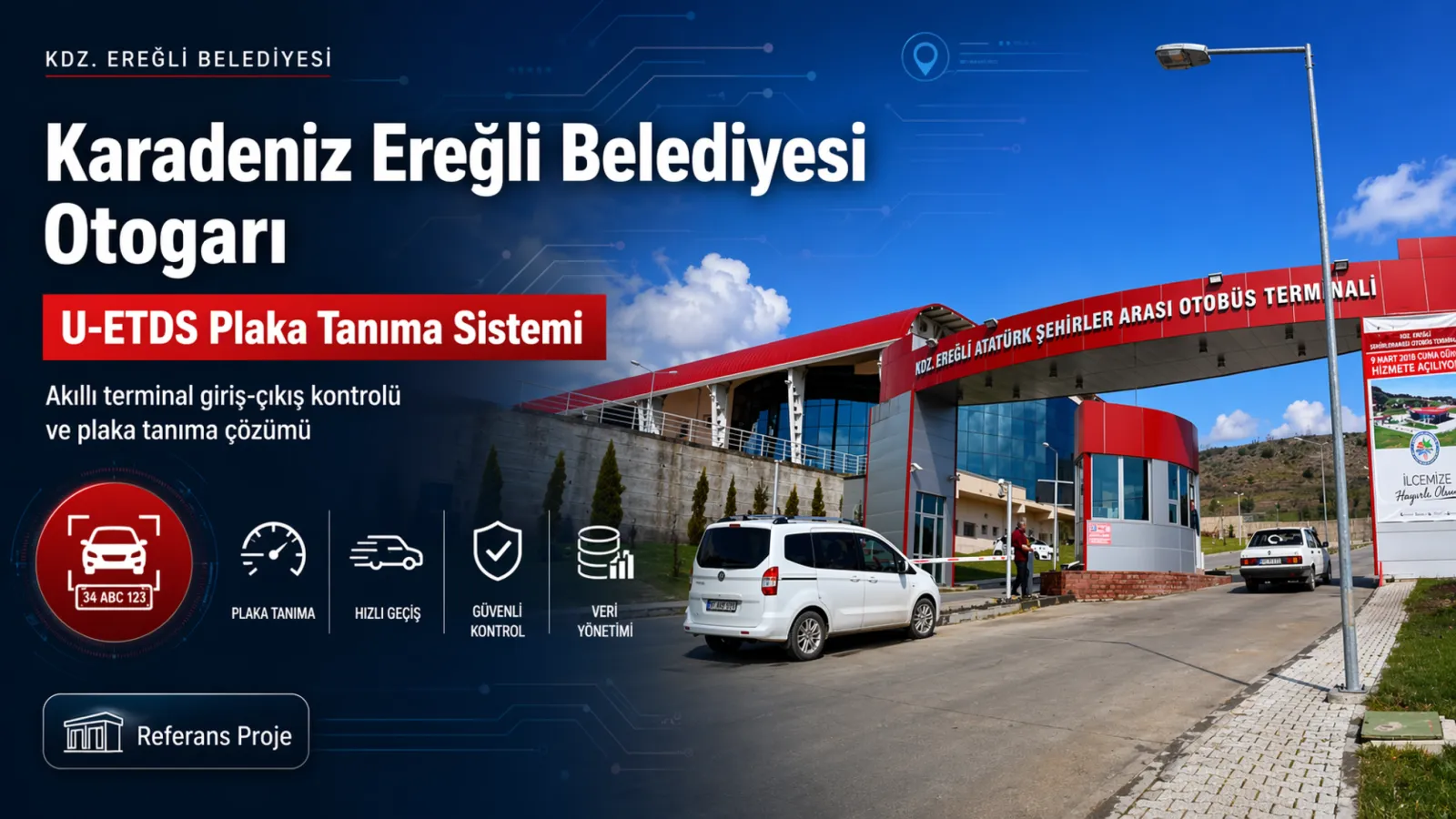
Karadeniz Ereğli Municipality Bus Terminal License Plate Recognition System
ZONGULDAK

Reference
Bitlis Bus Terminal U-ETDS and Paid License Plate Recognition Parking System
BITLIS